Symptoms and Causes of Athlete’s Foot

Athlete’s foot is a skin infection caused by fungi, which are tiny organisms that grow in warm and damp places. This condition often begins between the toes but may spread to the soles or sides of the feet. It is highly contagious and can spread through direct contact or by walking on contaminated floors in locker rooms, near pools, or shared shower areas. Tight shoes, sweaty feet, and small cuts in the skin can make infection more likely. Symptoms of athlete’s foot include intense itching, redness, peeling or cracked skin, and a burning or stinging feeling. Some people also develop small blisters or thickened, whitish skin over time. If untreated, this infection may spread to the toenails or other areas of skin. A podiatrist can diagnose athlete’s foot, confirm the cause, and provide proper medical treatment to control the infection and prevent complications. If you are experiencing symptoms of athlete’s foot, it is suggested that you make an appointment with a podiatrist for an exam, diagnosis, and treatment.

Athlete’s foot is an inconvenient condition that can be easily reduced with the proper treatment. If you have any concerns about your feet and ankles, contact one of our podiatrists from Fox Valley Foot and Ankle Specialists.  Our doctors will treat your foot and ankle needs.

Athlete’s Foot: The Sole Story

Athlete's foot, also known as tinea pedis, can be an extremely contagious foot infection. It is commonly contracted in public changing areas and bathrooms, dormitory style living quarters, around locker rooms and public swimming pools, or anywhere your feet often come into contact with other people.

Solutions to Combat Athlete’s Foot

  • Hydrate your feet by using lotion
  • Exfoliate
  • Buff off nails
  • Use of anti-fungal products
  • Examine your feet and visit your doctor if any suspicious blisters or cuts develop

Athlete’s foot can cause many irritating symptoms such as dry and flaking skin, itching, and redness. Some more severe symptoms can include bleeding and cracked skin, intense itching and burning, and even pain when walking. In the worst cases, Athlete’s foot can cause blistering as well. Speak to your podiatrist for a better understanding of the different causes of Athlete’s foot, as well as help in determining which treatment options are best for you.

If you have any questions please feel free to contact our office located in Naperville, IL . We offer the newest diagnostic and treatment technologies for all your foot and ankle needs.
Read more about Athlete's Foot

4 Stages of Gout

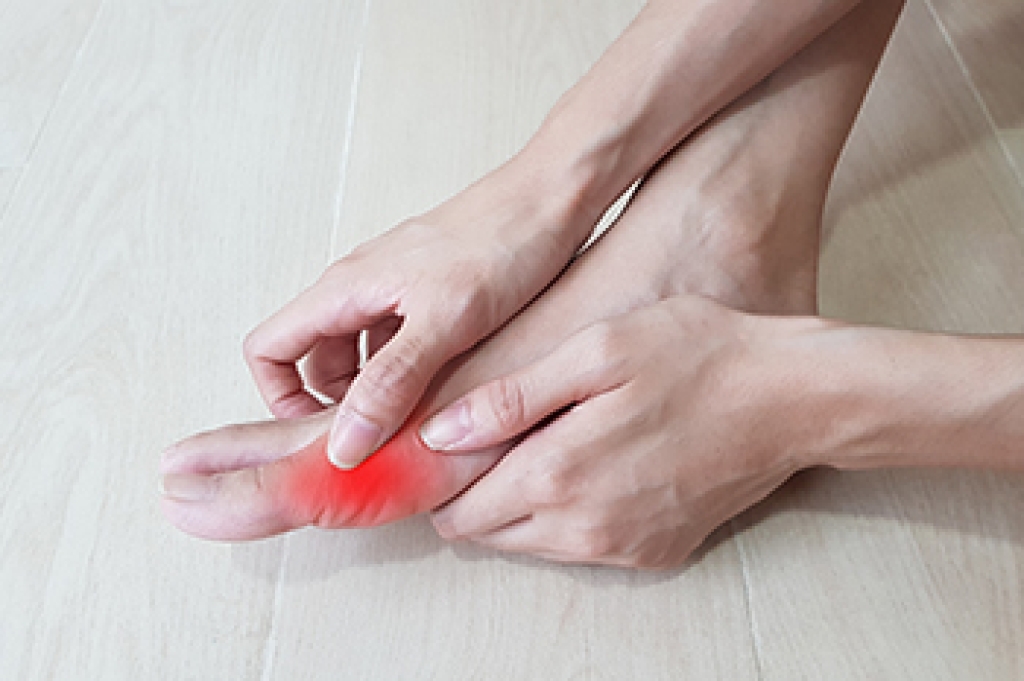
Gout is a painful form of arthritis that often affects the big toe joint. It develops when uric acid builds up in the body and forms sharp crystals inside a joint. Uric acid is a waste substance that normally dissolves in the blood and leaves the body through urine. The first stage of gout is called asymptomatic. During this stage, uric acid levels rise, but there are no symptoms. The second stage is acute gout, also known as a gout attack. Sudden pain, swelling, redness, and warmth may occur in the joint, often in the big toe. The third stage is called intercritical gout. Pain disappears during this period, but uric acid may still collect in the joints between attacks. The fourth stage is chronic gout. Large crystal deposits called tophi can form under the skin and may damage joints over time. A podiatrist can diagnose gout, evaluate joint damage, and provide treatment to manage symptoms and protect foot health. If you have symptoms of gout, it is suggested that you make an appointment with a podiatrist for an exam, diagnosis, and treatment.

Gout is a foot condition that requires certain treatment and care. If you are seeking treatment, contact one of our podiatrists from Fox Valley Foot and Ankle Specialists. Our doctors will treat your foot and ankle needs.

What Is Gout?

Gout is a type of arthritis caused by a buildup of uric acid in the bloodstream. It often develops in the foot, especially the big toe area, although it can manifest in other parts of the body as well. Gout can make walking and standing very painful and is especially common in diabetics and the obese.

People typically get gout because of a poor diet. Genetic predisposition is also a factor. The children of parents who have had gout frequently have a chance of developing it themselves.

Gout can easily be identified by redness and inflammation of the big toe and the surrounding areas of the foot. Other symptoms include extreme fatigue, joint pain, and running high fevers. Sometimes corticosteroid drugs can be prescribed to treat gout, but the best way to combat this disease is to get more exercise and eat a better diet.

If you have any questions, please feel free to contact our office located in Naperville, IL . We offer the newest diagnostic and treatment technologies for all your foot care needs.

Read more about Everything You Need to Know About Gout

Wounds That Don't Heal Need to Be Checked

Your feet are covered most of the day. If you're diabetic, periodic screening is important for good health. Numbness is often a sign of diabetic foot and can mask a sore or wound.

Custom Orthotics for High Heels

Custom Orthotics help you not have to choose between style and comfort. With Custom Orthotics designed for high heels, you can walk with confidence, knowing your feet are supported. Custom Orthotics help distribute pressure evenly, reducing the risk of pain and discomfort. Whether it's a day at the office or a night on the town, make every step graceful and pain-free. Discover the magic of Custom Orthotics for high heels by calling our office today.

Flat Feet Causes

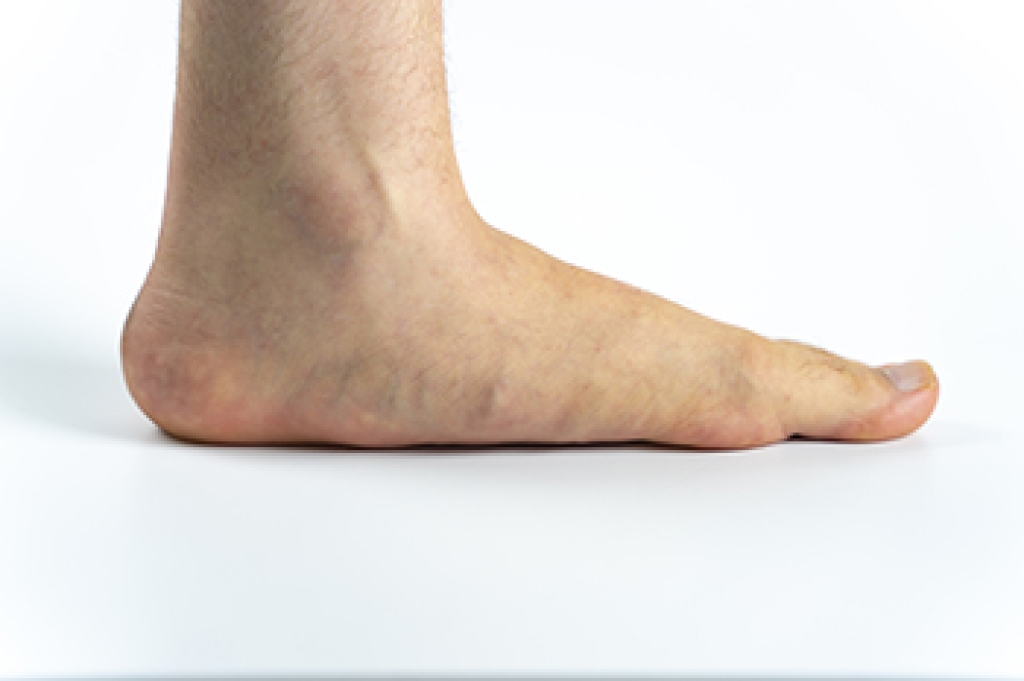
Flat feet, also known as fallen arches, describe a condition in which the arch of the foot collapses, causing the entire sole to touch the ground. This may occur due to genetics, aging, injury, obesity, or weakened tendons. There are two types of flat feet, known as flexible and rigid. Signs of flexible flat feet are where the arch appears when sitting, but flattens when standing, and rigid flat feet happens when the arch is absent at all times, limiting movement. Symptoms can include foot pain, swelling, fatigue, ankle instability and discomfort in the knees, hips or lower back. Risk factors include family history, diabetes, and previous trauma. A podiatrist can evaluate structure and gait, and recommend orthotics or supportive footwear. If you have flat feet, it is suggested that you consult a podiatrist who can offer you appropriate management solutions.

Flatfoot is a condition many people suffer from. If you have flat feet, contact one of our podiatrists from Fox Valley Foot and Ankle Specialists. Our doctors will treat your foot and ankle needs.

What Are Flat Feet?

Flatfoot is a condition in which the arch of the foot is depressed and the sole of the foot is almost completely in contact with the ground. About 20-30% of the population generally has flat feet because their arches never formed during growth.

Conditions & Problems:

Having flat feet makes it difficult to run or walk because of the stress placed on the ankles.

Alignment – The general alignment of your legs can be disrupted, because the ankles move inward which can cause major discomfort.

Knees – If you have complications with your knees, flat feet can be a contributor to arthritis in that area.  

Symptoms

  • Pain around the heel or arch area
  • Trouble standing on the tip toe
  • Swelling around the inside of the ankle
  • Flat look to one or both feet
  • Having your shoes feel uneven when worn

Treatment

If you are experiencing pain and stress on the foot you may weaken the posterior tibial tendon, which runs around the inside of the ankle. 

If you have any questions, please feel free to contact our office located in Naperville, IL . We offer the newest diagnostic and treatment technologies for all your foot care needs.

Read more about What is Flexible Flat Foot?

Connect With Us

scroll-to-top