How a Podiatrist Diagnoses and Treats Morton’s Neuroma

Morton’s neuroma develops when tissue surrounding a nerve between the toes becomes thicker because of repeated pressure or irritation. The problem usually affects the space between the third and fourth toes. As the tissue thickens, it squeezes the nerve and creates pain. Many people describe the feeling as though they are standing on a small pebble or have a fold in their sock. Burning pain, tingling, and numbness are also common. Symptoms usually become worse while walking or wearing tight, narrow shoes. Removing the shoes can bring temporary relief, but discomfort frequently returns when pressure on the nerve continues. Some people notice pain even while resting after a busy day.

Several factors increase the risk of Morton’s neuroma. Shoes that squeeze the toes place extra pressure on the nerve. High-heeled shoes can also increase stress on the front of the foot. Certain foot shapes, like flat feet or high arches, can change the way pressure is spread across the foot. A podiatrist diagnoses the condition by discussing symptoms and carefully examining the foot. Gentle pressure between the toes can help locate the irritated nerve. An ultrasound or MRI scan can help confirm the diagnosis and guide treatment decisions when a clearer view of the affected area is needed.

A podiatrist creates a treatment plan that reduces pressure on the affected nerve and improves comfort. Treatment includes shoes with a wide toe area, custom orthotics, and steroid injections. These options can reduce irritation and make walking more comfortable. When symptoms continue despite treatment, surgery to remove the affected nerve can provide lasting relief. Early diagnosis helps prevent symptoms from becoming more disruptive and allows treatment to begin before pain limits daily activities. Prompt care also helps patients stay active with greater comfort and confidence. If you have symptoms of Morton’s neuroma, it is suggested that you schedule an appointment with a podiatrist for a diagnosis and appropriate treatment.

Morton’s neuroma is a very uncomfortable condition to live with. If you think you have Morton’s neuroma, contact one of our podiatrists of Fox Valley Foot and Ankle Specialists. Our doctors will attend to all of your foot care needs and answer any of your related questions.  

Morton’s Neuroma

Morton's neuroma is a painful foot condition that commonly affects the areas between the second and third or third and fourth toe, although other areas of the foot are also susceptible. Morton’s neuroma is caused by an inflamed nerve in the foot that is being squeezed and aggravated by surrounding bones.

What Increases the Chances of Having Morton’s Neuroma?

  • Ill-fitting high heels or shoes that add pressure to the toe or foot
  • Jogging, running or any sport that involves constant impact to the foot
  • Flat feet, bunions, and any other foot deformities

Morton’s neuroma is a very treatable condition. Orthotics and shoe inserts can often be used to alleviate the pain on the forefront of the feet. In more severe cases, corticosteroids can also be prescribed. In order to figure out the best treatment for your neuroma, it’s recommended to seek the care of a podiatrist who can diagnose your condition and provide different treatment options.

If you have any questions, please feel free to contact our office located in Naperville, IL . We offer the newest diagnostic and treatment technologies for all your foot care needs.

Read more about Morton's Neuroma

Gout in the Feet and When to See a Podiatrist

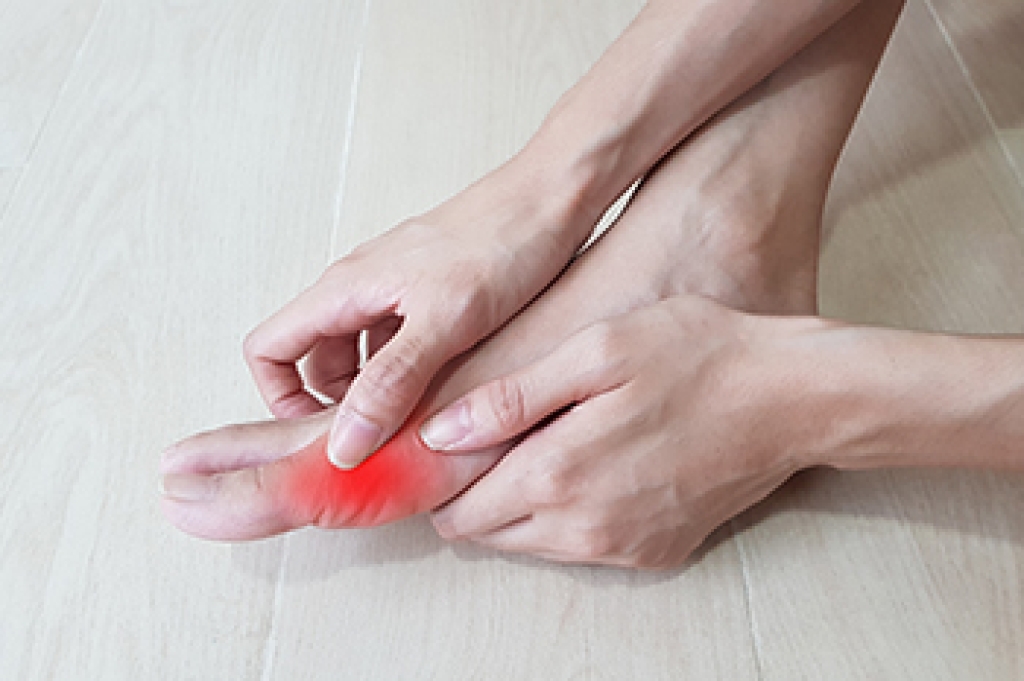
Gout is a form of inflammatory arthritis that often affects the feet and can cause sudden, intense pain. Although the big toe is the most common location, gout may also develop in the midfoot, ankle, or several joints at the same time. The condition occurs when crystals form inside a joint, triggering inflammation and severe discomfort. A gout flare may begin without warning and make standing or walking very difficult. Because symptoms can resemble other foot conditions, an accurate diagnosis is important before treatment begins. Identifying gout early can help prevent repeated flare-ups, reduce joint damage, and support better long-term foot health. Prompt evaluation is especially important when pain is severe or symptoms continue to return.


Symptoms of gout in the feet often appear quickly and may become severe within hours. Many people experience intense joint pain, swelling, or redness in the affected area. Others notice warmth around the joint or tenderness that makes even light pressure uncomfortable. During a flare, walking and wearing shoes may become difficult because movement increases discomfort. Although the big toe is commonly involved, gout can also affect the heel, ankle, or other joints in the foot. Repeated flare-ups may eventually damage the joints and reduce mobility if the condition is not properly managed. A professional evaluation can determine whether gout is the cause of your symptoms and help distinguish it from other sources of foot pain.


A podiatrist plays an important role in diagnosing and managing gout that affects the feet and ankles. During an examination, the podiatrist reviews your symptoms, evaluates the affected joints, and may recommend additional testing to confirm the diagnosis. Treatment focuses on relieving pain, protecting joint function, and reducing the impact gout has on everyday activities. Ongoing podiatry care can also help monitor changes in the feet and identify complications before they become more serious. If you are experiencing sudden foot pain, swelling, or redness that may be a sign of gout, it is suggested that you consult a podiatrist for an evaluation and appropriate treatment options.

Gout is a painful condition that can be treated. If you are seeking treatment, contact one of our podiatrists from Fox Valley Foot and Ankle Specialists. Our doctors will treat your foot and ankle needs.

What Is Gout?

Gout is a form of arthritis that is characterized by sudden, severe attacks of pain, redness, and tenderness in the joints. The condition usually affects the joint at the base of the big toe. A gout attack can occur at any random time, such as the middle of the night while you are asleep.

Symptoms

  • Intense Joint Pain - Usually around the large joint of your big toe, and it most severe within the first four to twelve hours
  • Lingering Discomfort - Joint discomfort may last from a few days to a few weeks
  • Inflammation and Redness -Affected joints may become swollen, tender, warm and red
  • Limited Range of Motion - May experience a decrease in joint mobility

Risk Factors

  • Genetics - If family members have gout, you’re more likely to have it
  • Medications - Diuretic medications can raise uric acid levels
  • Gender/Age - Gout is more common in men until the age of 60. It is believed that estrogen protects women until that point
  • Diet - Eating red meat and shellfish increases your risk
  • Alcohol - Having more than two alcoholic drinks per day increases your risk
  • Obesity - Obese people are at a higher risk for gout

Prior to visiting your podiatrist to receive treatment for gout, there are a few things you should do beforehand. If you have gout you should write down your symptoms--including when they started and how often you experience them, important medical information you may have, and any questions you may have. Writing down these three things will help your podiatrist in assessing your specific situation so that he or she may provide the best route of treatment for you.

If you have any questions, please feel free to contact our office located in Naperville, IL . We offer the newest diagnostic and treatment technologies for all your foot care needs.

Read more about Gout

Custom Orthotics For Seniors

Age gracefully and move freely with Custom Orthotics. For seniors seeking to maintain their independence, Custom Orthotics offer the stability and comfort essential for daily activities. Custom-tailored to your feet, they provide support, reduce pain, and enhance mobility, ensuring you're always on sure footing. Don't let age-related foot concerns hold you back. With Custom Orthotics, embrace every golden moment with confidence. Call today to schedule an appointment.

Causes of Foot Pain From Zumba

Foot pain from Zumba refers to discomfort or injury caused by repetitive dance fitness movements performed on hard surfaces or with improper support. Zumba involves quick turns, jumps, and side- to-side motion that place stress on the plantar fascia, joints, and soft tissue. Without proper preparation and footwear, these movements can lead to strain and overuse injuries. Understanding the physical demands of dance fitness is essential for preventing pain and maintaining safe participation.

Common symptoms include arch soreness, heel pain, and a burning sensation after class. Some individuals experience sharp pain during pivoting movements or lingering stiffness the next day. Risk factors include wearing the wrong shoes that lack lateral support, exercising on cement floors, and skipping proper warm-up techniques. Beginners who do not take a preparation class may also struggle with foot positioning, increasing the risk of strain. These factors can lead to conditions such as plantar fasciitis, tendon irritation, and stress related injuries.

Prevention begins with wearing supportive cross-training shoes designed for multidirectional movement. Avoiding cement or other hard surfaces can reduce impact stress on the feet. Taking a preparation class helps build proper technique and teaches safe movement patterns. Gradual progression in intensity allows the feet to adapt to increased activity. Stretching before and after class, including simple foot and ankle exercises, can improve flexibility and reduce stiffness. These strategies support both performance and injury prevention.

The key takeaway is that Zumba can be enjoyable and beneficial when proper precautions are taken. Paying attention to footwear, surface choice, and technique significantly lowers the risk of foot pain. Early recognition of symptoms allows for prompt care and recovery. If you enjoy Zumba and have developed foot pain, it is suggested that you consult a podiatrist for effective relief and treatment solutions.

Foot Pain

Foot pain can be extremely painful and debilitating. If you have a foot pain, consult with one of our podiatrists from Fox Valley Foot and Ankle Specialists. Our doctors will assess your condition and provide you with quality foot and ankle treatment.

Causes

Foot pain is a very broad condition that could be caused by one or more ailments. The most common include:

  • Bunions
  • Hammertoes
  • Plantar Fasciitis
  • Bone Spurs
  • Corns
  • Tarsal Tunnel Syndrome
  • Ingrown Toenails
  • Arthritis (such as Gout, Rheumatoid, and Osteoarthritis)
  • Flat Feet
  • Injury (from stress fractures, broken toe, foot, ankle, Achilles tendon ruptures, and sprains)
  • And more

Diagnosis

To figure out the cause of foot pain, podiatrists utilize several different methods. This can range from simple visual inspections and sensation tests to X-rays and MRI scans. Prior medical history, family medical history, and any recent physical traumatic events will all be taken into consideration for a proper diagnosis.

Treatment

Treatment depends upon the cause of the foot pain. Whether it is resting, staying off the foot, or having surgery; podiatrists have a number of treatment options available for foot pain.

If you have any questions, please feel free to contact our office located in Naperville, IL . We offer the newest diagnostic and treatment technologies for all your foot care needs.

Read more about Foot Pain

Connect With Us

scroll-to-top