
Hidden Impact of High Heels on Your Feet

High heels can change the way the feet support the body and may lead to a variety of painful foot problems. By shifting body weight toward the front of the foot, high heels place extra pressure on the toes and the ball of the foot. This added stress can contribute to conditions such as bunions, hammertoes, and neuromas. Some people also experience heel pain or ankle discomfort after wearing high heels regularly. Symptoms may include aching, burning, or swelling that makes walking uncomfortable. Because these changes often develop gradually, many people do not recognize the effects until pain begins to interfere with everyday activities. A professional evaluation can help determine whether footwear is contributing to foot pain and identify the most appropriate treatment.


Frequent use of high heels may also affect balance, posture, and normal walking mechanics. As the foot remains in a raised position, the muscles and tendons can become tight and place additional stress on nearby joints. This altered movement may increase strain on the ankles, knees, and hips. Changes in weight distribution can also reduce stability and make certain activities less comfortable. A thorough podiatry examination helps identify how footwear is affecting foot structure and overall function. Early diagnosis allows treatment to begin before discomfort becomes more severe or long-term foot problems develop.


A podiatrist specializes in diagnosing and treating foot conditions related to high heels and other footwear concerns. Professional care focuses on relieving pain, improving foot function, and addressing changes in foot alignment caused by prolonged pressure. Treatment is tailored to each patient's condition and activity level while supporting long-term foot health. Regular podiatry care may also help identify developing problems before they worsen or affect mobility. If foot pain, toe deformities, or difficulty walking related to wearing high heels is affecting your daily activities, it is suggested that you consult a podiatrist for an evaluation and appropriate treatment options.

High heels have a history of causing foot and ankle problems. If you have any concerns about your feet or ankles, contact one of our podiatrists from Fox Valley Foot and Ankle Specialists. Our doctors can provide the care you need to keep you pain-free and on your feet.

Effects of High Heels on the Feet

High heels are popular shoes among women because of their many styles and societal appeal.  Despite this, high heels can still cause many health problems if worn too frequently.

Which Parts of My Body Will Be Affected by High Heels?

  • Ankle Joints
  • Achilles Tendon – May shorten and stiffen with prolonged wear
  • Balls of the Feet
  • Knees – Heels cause the knees to bend constantly, creating stress on them
  • Back – They decrease the spine’s ability to absorb shock, which may lead to back pain.  The vertebrae of the lower back may compress.

What Kinds of Foot Problems Can Develop from Wearing High Heels?

  • Corns
  • Calluses
  • Hammertoe
  • Bunions
  • Morton’s Neuroma
  • Plantar Fasciitis

How Can I Still Wear High Heels and Maintain Foot Health?

If you want to wear high heeled shoes, make sure that you are not wearing them every day, as this will help prevent long term physical problems.  Try wearing thicker heels as opposed to stilettos to distribute weight more evenly across the feet.  Always make sure you are wearing the proper shoes for the right occasion, such as sneakers for exercising.  If you walk to work, try carrying your heels with you and changing into them once you arrive at work.  Adding inserts to your heels can help cushion your feet and absorb shock. Full foot inserts or metatarsal pads are available. 

If you have any questions, please feel free to contact our office located in Naperville, IL . We offer the newest diagnostic and treatment technologies for all your foot care needs.

Read more about Effect of High Heels on the Feet

Let the Expert Treat Your Ingrown Toenails

Ingrown toenails can be painful and can make wearing shoes or walking uncomfortable. Seek professional help if you believe you've developed an ingrown toenail and be treated safely. 

Custom Orthotics For Ankle Stability

Step with assurance, thanks to enhanced ankle stability from orthotics! If you're active and on the move, Custom Orthotics are your ally for stronger, steadier ankles. They align your foot and ankle, reducing the risk of sprains and offering solid support for every stride. Don’t let instability hold you back. Try Custom Orthotics from our office, and discover unshakable confidence in every step!

Why Sedentary Lifestyles Increase Heel Pain Risk in Older Women

Plantar heel pain is a condition that frequently affects older women and is often associated with lifestyle and physical changes over time. It occurs when the plantar fascia becomes strained or irritated, leading to discomfort in the heel area. Sedentary behaviors play a significant role in the development of this condition by reducing muscle strength and flexibility in the feet. When physical activity is limited, the foot becomes less prepared to handle stress, increasing the risk of injury.

Common symptoms include persistent heel pain, stiffness, and tenderness, particularly after periods of rest. Many individuals report sharp discomfort with their first steps in the morning. As the day progresses, the pain may ease but can return after prolonged standing or walking. These symptoms can interfere with daily routines and make it difficult to stay active. Identifying these patterns can help individuals take early action to address the issue.


Risk factors for plantar heel pain include inactivity, poor footwear, and age-related changes in the foot structure. Sedentary habits can lead to tight muscles and reduced circulation, both of which contribute to strain on the plantar fascia. Additional causes include weight gain and lack of proper arch support. Older women may also experience decreased tissue resilience, making recovery slower and increasing the likelihood of chronic discomfort.


Improving daily movement and foot care can help reduce the risk of plantar heel pain. Incorporating light exercise, stretching, and wearing supportive footwear can strengthen the foot and improve flexibility. Small changes in routine can make a meaningful difference in comfort and mobility. If you are dealing with heel pain or related symptoms, it is suggested that you consult a podiatrist for an accurate diagnosis and appropriate treatment plan.

Many people suffer from bouts of heel pain. For more information, contact one of our podiatrists of Fox Valley Foot and Ankle Specialists. Our doctors can provide the care you need to keep you pain-free and on your feet.

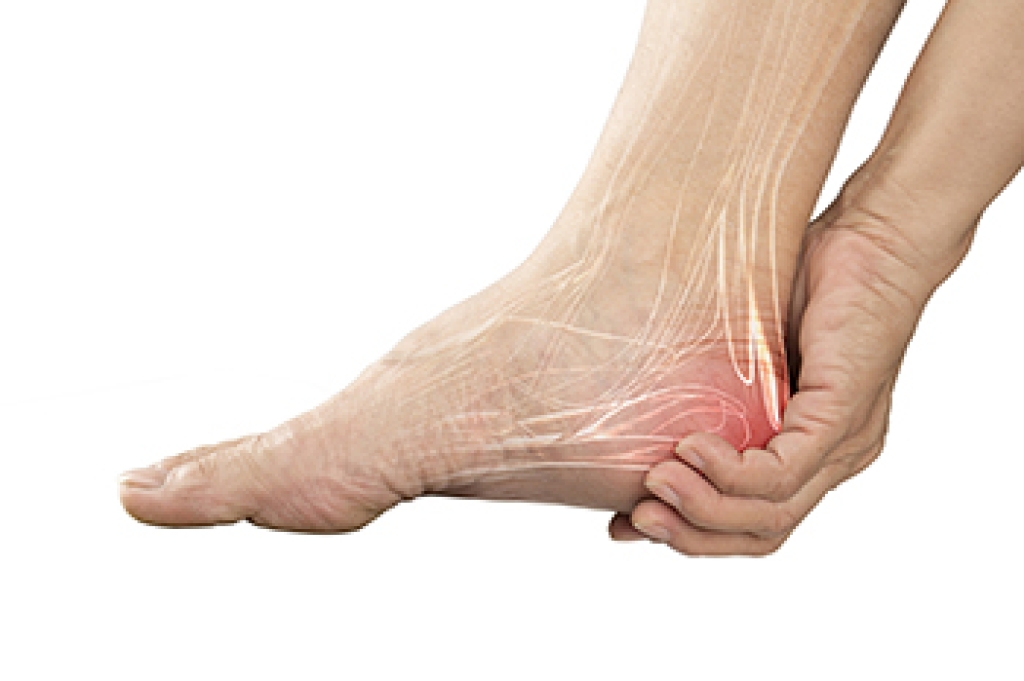
Causes of Heel Pain

Heel pain is often associated with plantar fasciitis. The plantar fascia is a band of tissues that extends along the bottom of the foot. A rip or tear in this ligament can cause inflammation of the tissue.

Achilles tendonitis is another cause of heel pain. Inflammation of the Achilles tendon will cause pain from fractures and muscle tearing. Lack of flexibility is also another symptom.

Heel spurs are another cause of pain. When the tissues of the plantar fascia undergo a great deal of stress, it can lead to ligament separation from the heel bone, causing heel spurs.

Why Might Heel Pain Occur?

  • Wearing ill-fitting shoes                
  • Wearing non-supportive shoes
  • Weight change           
  • Excessive running

Treatments

Heel pain should be treated as soon as possible for immediate results. Keeping your feet in a stress-free environment will help. If you suffer from Achilles tendonitis or plantar fasciitis, applying ice will reduce the swelling. Stretching before an exercise like running will help the muscles. Using all these tips will help make heel pain a condition of the past.

If you have any questions, please feel free to contact our office located in Naperville, IL . We offer the newest diagnostic and treatment technologies for all your foot care needs.
Read more about Heel Pain

Orthotics for Foot Pain

Orthotics can be a valuable tool in addressing foot pain, but they are not always the sole solution. Effective treatment starts with a proper diagnosis, which is why seeing a podiatrist is important. They can assess your foot structure, gait mechanics, and medical history to determine the underlying cause of your pain. Depending on the diagnosis, various types of orthotics may be prescribed, including custom-made orthotics. While orthotics can provide support, cushioning, and alignment correction, their effectiveness varies depending on individual needs and conditions. For some, orthotics alone may alleviate pain and improve function. However, they may be part of a comprehensive treatment plan that includes stretching exercises, or footwear modifications. Ultimately, the effectiveness of orthotics hinges on proper diagnosis and customization to address specific foot issues. If you are experiencing foot pain, it is suggested that you seek professional help from a podiatrist to determine if orthotics are the right solution for you.

Custom orthotics are specialized shoe inserts created to support and align the feet according to each person’s unique structure and walking pattern. They are an effective way to relieve foot discomfort caused by conditions such as flat feet, high arches, plantar fasciitis, bunions, and heel pain. When the natural alignment of the foot is off balance, it can lead to pressure points, strain, and pain that affect how a person stands, walks, and moves. Orthotics work by redistributing weight evenly and supporting the arch to reduce stress on the muscles, tendons, and joints of the feet and lower legs.

Foot discomfort can develop for many reasons, including wearing improper footwear, long hours of standing, repetitive motion, or underlying structural problems. Over time, this discomfort can extend beyond the feet, contributing to knee, hip, or lower back pain. Custom orthotics help correct these issues by improving alignment and promoting more efficient movement. They are made using precise measurements and imaging to ensure the best fit for each patient, providing targeted support and cushioning where it is needed most.

Unlike generic insoles, custom orthotics are durable, medically designed, and tailored to your specific needs. Whether you are managing chronic pain, recovering from an injury, or simply seeking better comfort and stability, orthotics can make a noticeable difference in how your feet feel throughout the day.

If you are experiencing persistent foot discomfort or fatigue, it may be time to have your feet evaluated by a podiatrist. Call our office today for more information or to schedule an appointment.

If you have any questions, please feel free to contact our office located in Naperville, IL

Read more about Sole Marketing Foot and Ankle Injuries

Connect With Us

scroll-to-top