How Workplace Insoles Can Improve Productivity

An insole program can help employees stay comfortable. Insoles, or orthotics, are inserts placed inside shoes to support the feet and improve cushioning. Standing, walking, or working on hard floors for hours can contribute to foot fatigue, aches, and pain. Common complaints include heel or arch soreness. Poorly-fitting footwear can make these problems worse. A workplace insole program gives employees support designed around their needs rather than relying on one solution for everyone.

The benefits can extend. Supportive insoles may reduce pressure on sensitive areas and improve foot alignment. They can also help employees remain comfortable during shifts, which may help improve focus and productivity. An anti-fatigue mat can provide cushioning for employees who stand in one location. However, a mat does not travel with the worker throughout the workplace. Personalized orthotics provide support inside the shoe wherever the employee walks. This makes an insole program useful for jobs that require movement.


A podiatrist can evaluate each employee’s feet, shoes, and workplace demands before recommending an insole. The process may include a foot examination. The podiatrist can identify arch strain or uneven pressure. Based on these findings, personalized orthotics may be recommended to improve support and accommodate the foot structure. The podiatrist can also suggest appropriate footwear and regularly monitor comfort. Addressing existing foot issues may help employees avoid worsening discomfort during daily tasks.


A successful workplace insole program should focus on individual fit rather than a one-size-fits-all approach. Employees should report persistent discomfort instead. Comfortable feet can make long shifts feel easier and may help reduce distractions caused by pain. Employers can support productivity by giving workers access to foot evaluations and appropriate inserts. If you need insoles for work, it is suggested that you consult a podiatrist who can determine which type of orthotic is best for you.

Custom orthotics can make a remarkable difference in daily comfort and mobility by supporting the feet in their most natural and balanced position. Because the feet form the foundation for the entire body, any imbalance can affect not only how a person walks, but also how the knees, hips, and spine align. Over time, this can lead to fatigue, pain, or reduced movement. Custom orthotics are designed to restore stability and promote proper alignment, which can transform the way a person feels and functions throughout the day.

People who wear custom orthotics often experience improved posture, less joint strain, and greater endurance during work, exercise, and leisure activities. The support they provide helps relieve chronic discomfort from conditions such as plantar fasciitis, flat feet, and heel pain, while also reducing the risk of future injuries. For those who stand for long hours or engage in sports, orthotics can make movement smoother and more efficient, allowing the body to perform at its best without unnecessary stress.

Each pair of custom orthotics is created after a detailed evaluation of foot structure, gait, and pressure distribution. By addressing each person’s unique needs, they offer comfort and confidence with every step.

If you are experiencing ongoing foot discomfort or fatigue, it is suggested that you contact our office for more information or to make an appointment.

If you have any questions, please feel free to contact our office located in Naperville, IL . 

Read more about Sole Marketing Life Impact

Ankle Fractures Explained

An ankle fracture is a break in one or more bones that form the ankle joint, affecting stability and making walking difficult. The ankle joint includes the tibia and fibula of the lower leg, along with the talus in the foot. Ankle fractures are among the common fractures of the lower limb and can range from small cracks to serious breaks involving several bones. Common causes include twisting the ankle during a fall, landing awkwardly, or experiencing a direct impact. Symptoms often include pain, swelling, and difficulty bearing weight. Some fractures cause visible deformity, while others may resemble a severe ankle sprain. Prompt podiatric evaluation is important to prevent further damage and support proper healing.

Ankle fractures are classified according to the bones involved, the location of the break, and whether the injury affects joint stability. Two commonly used classification systems are the Danis-Weber system and the Lauge-Hansen system. The Danis-Weber system categorizes fibula fractures based on their position relative to a ligament structure that connects the tibia and fibula. Type A fractures occur below this structure, type B fractures occur at its level, and type C fractures occur above it. The Lauge-Hansen system describes injury patterns based on the foot position and the direction of the force that caused the fracture. These systems help podiatrists understand injury severity and guide treatment decisions. X-rays are commonly used to identify the break and assess alignment.


Several factors increase the risk of an ankle fracture, including sports injuries, slippery surfaces, and falls from heights. Osteoporosis weakens bones, making fractures more likely after relatively minor trauma. Previous ankle injuries and activities involving sudden changes in direction may also increase risk. Treatment depends on the fracture pattern and whether the bones remain properly aligned. Stable fractures may be treated with a walking boot or cast, while displaced or unstable fractures may require surgery. Until evaluated, avoid putting weight on the injured ankle and keep it supported. Severe pain, an open wound, or a foot that becomes cold or numb requires urgent medical attention.


A podiatrist assesses an ankle injury, examines tenderness and swelling, and orders imaging to confirm a suspected fracture. After reviewing the results, the podiatrist determines whether immobilization or surgical evaluation is needed. Treatment may include a cast or boot to protect the bones while they heal, along with follow-up examinations and repeat imaging to monitor alignment. Following weight-bearing instructions is essential because returning to normal activity too soon can delay healing. If you have fractured your ankle or suspect a break, it is suggested that you consult a podiatrist for an accurate diagnosis and appropriate treatment.

Broken ankles need immediate treatment. If you are seeking treatment, contact one of our podiatrists from Fox Valley Foot and Ankle Specialists. Our doctors can provide the care you need to keep you pain-free and on your feet. 

Broken Ankles
A broken ankle is experienced when a person fractures their tibia or fibula in the lower leg and ankle area. Both of these bones are attached at the bottom of the leg and combine to form what we know to be our ankle.

When a physician is referring to a break of the ankle, he or she is usually referring to a break in the area where the tibia and fibula are joined to create our ankle joint. Ankles are more prone to fractures because the ankle is an area that suffers a lot of pressure and stress. There are some obvious signs when a person experiences a fractured ankle, and the following symptoms may be present.

Symptoms of a Fractured Ankle

  • Excessive pain when the area is touched or when any pressure is placed on the ankle
  • Swelling around the area
  • Bruising of the area
  • Area appears to be deformed

If you suspect an ankle fracture, it is recommended to seek treatment as soon as possible. The sooner you have your podiatrist diagnose the fracture, the quicker you’ll be on the way towards recovery.

If you have any questions, please feel free to contact our office located in Naperville, IL . We offer the newest diagnostic and treatment technologies for all your foot care needs.
Read more about Broken Ankle Causes, Differences, Symptoms and Treatments

Foot Blisters and Podiatric Care

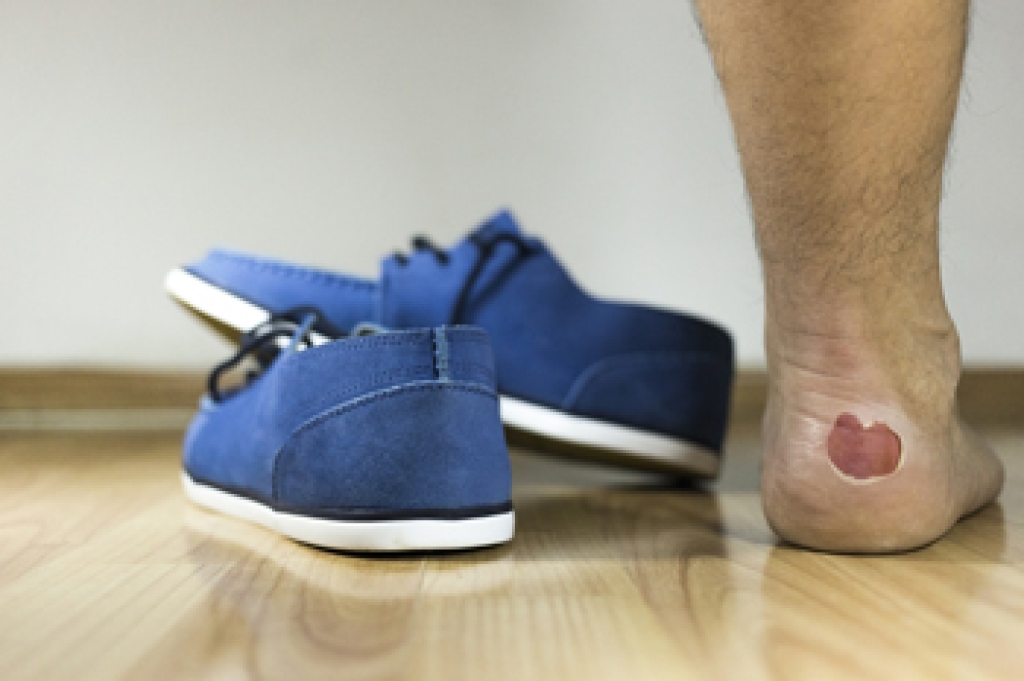
Blisters on the feet form when fluid collects beneath the top layer of skin. They can appear on the heels, toes, or soles and make each step uncomfortable. Repeated rubbing is a leading cause, especially when shoes fit poorly or press against one area. Long periods of walking can increase friction. Burns and insect bites can also produce blisters. Most contain clear fluid, although an injury that damages tiny blood vessels can create a blood blister. These raised spots protect injured skin underneath, but their appearance can make patients concerned about what caused them.

A foot blister can feel tender, itchy, or painful. The surrounding skin may look red, and pressure from shoes can increase discomfort. Some blisters develop after a single day of unusual activity. Others appear because the same part of the foot repeatedly rubs against a shoe. Blisters can also result from infections or skin conditions rather than friction. Warning signs include spreading redness, increasing warmth, and pus inside the blister. These changes can signal infection and deserve prompt attention. Patients with diabetes or poor circulation should have foot blisters evaluated because skin injuries can become more serious.

A podiatrist can examine a blister and determine whether friction, injury, or another condition caused it. The examination also helps identify signs of infection. Treatment can include protective dressings that reduce pressure and shield the damaged skin. For a large, painful blister, a podiatrist can decide whether careful drainage is appropriate. An infected blister may require prescription medication. A podiatrist can also assess shoe fit and areas of repeated pressure that contribute to new blisters. Podiatric care can ease discomfort while protecting the skin as it heals. If you have a bothersome or recurring foot blister, it is suggested that you schedule an appointment with a podiatrist for effective relief and prevention tips.

Blisters are prone to making everyday activities extremely uncomfortable. If your feet are hurting, contact one of our podiatrists of Fox Valley Foot and Ankle Specialists. Our doctors can provide the care you need to keep you pain-free and on your feet.

Foot Blisters

Foot blisters develop as a result of constantly wearing tight or ill-fitting footwear. This happens due to the constant rubbing from the shoe, which can often lead to pain.

What Are Foot Blisters?

A foot blister is a small fluid-filled pocket that forms on the upper-most layer of the skin. Blisters are filled with clear fluid and can lead to blood drainage or pus if the area becomes infected.

How Do Blisters Form?

Blisters on the feet are often the result of constant friction of skin and material, usually by shoe rubbing. Walking in sandals, boots, or shoes that don’t fit properly for long periods of time can result in a blister. Having consistent foot moisture and humidity can easily lead to blister formation.

Prevention & Treatment

It is important to properly care for the affected area in order to prevent infection and ease the pain. Do not lance the blister and use a Band-Aid to provide pain relief. Also, be sure to keep your feet dry and wear proper fitting shoes. If you see blood or pus in a blister, seek assistance from a podiatrist.

If you have any questions, please feel free to contact our office located in Naperville, IL . We offer the newest diagnostic and treatment technologies for all your foot care needs.

Read more about Blisters

What Causes Cuboid Syndrome?

Cuboid syndrome occurs when the cuboid bone becomes slightly displaced or irritated. The cuboid is a bone on the outer side of the midfoot, near the base of the fourth and fifth toes. This area helps support the foot during walking. When the joint or surrounding tissues become stressed, pain can develop along the outside of the foot. Cuboid syndrome can make activities uncomfortable, especially when standing, walking, or pushing off the foot.

Common symptoms include aching or sharp pain on the outer middle portion of the foot. Pain may become worse when walking, running, or putting pressure on the affected foot. Swelling or tenderness may develop around the cuboid area. Difficulty walking can occur when symptoms are more severe. Because several foot conditions can cause similar symptoms, an accurate diagnosis is important.


Cuboid syndrome may develop after an ankle sprain, especially when the foot rolls outward during an injury. Repetitive stress from running or jumping can also irritate the cuboid joint. Risk factors include high-impact sports, wearing poorly supportive footwear, and foot mechanics that increase pressure on the outside of the foot. A podiatrist will examine the foot, check movement and tenderness, and review how the injury occurred. Imaging tests may be recommended when another injury needs to be ruled out.


Treatment depends on the cause and severity of the condition. A podiatrist may recommend rest, activity changes, and measures to reduce swelling. The foot may be gently manipulated to help restore normal cuboid position when appropriate. Taping or padding can provide additional support while the foot heals. More severe cases may require immobilization and a gradual return to activity. If you have symptoms of cuboid syndrome, it is suggested that you consult a podiatrist for effective relief and treatment solutions. 

Cuboid syndrome, also known as cuboid subluxation, occurs when the joints and ligaments near the cuboid bone in the foot become torn. If you have cuboid syndrome, consult with one of our podiatrists from Fox Valley Foot and Ankle Specialists. Our doctors will assess your condition and provide you with quality foot and ankle treatment.

Cuboid syndrome is a common cause of lateral foot pain, which is pain on the outside of the foot. The condition may happen suddenly due to an ankle sprain, or it may develop slowly overtime from repetitive tension through the bone and surrounding structures.

Causes

The most common causes of cuboid syndrome include:

  • Injury – The most common cause of this ailment is an ankle sprain.
  • Repetitive Strain – Tension placed through the peroneus longus muscle from repetitive activities such as jumping and running may cause excessive traction on the bone causing it to sublux.
  • Altered Foot Biomechanics – Most people suffering from cuboid subluxation have flat feet.

Symptoms

A common symptom of cuboid syndrome is pain along the outside of the foot which can be felt in the ankle and toes. This pain may create walking difficulties and may cause those with the condition to walk with a limp.

Diagnosis

Diagnosis of cuboid syndrome is often difficult, and it is often misdiagnosed. X-rays, MRIs and CT scans often fail to properly show the cuboid subluxation. Although there isn’t a specific test used to diagnose cuboid syndrome, your podiatrist will usually check if pain is felt while pressing firmly on the cuboid bone of your foot.

Treatment

Just as the range of causes varies widely, so do treatments. Some more common treatments are ice therapy, rest, exercise, taping, and orthotics.

If you have any questions, please feel free to contact our office located in Naperville, IL . We offer the newest diagnostic and treatment technologies for all your foot care needs.

Read more about All About Cuboid Syndrome

Keep Your Feet Healthy So You Can Stay Active

Have your feet inspected by a professional before starting a new sport or physical activity. Taking charge of your foot health will keep you in good physical condition and can help you avoid a potential injury, such as a fracture or sprained ankle.

Prevent injuries and see a foot specialist.

Connect With Us