
If you are suffering from tenderness, pain, or stiffness in the joints of your feet or ankles, call us to schedule an appointment.
If you are suffering from tenderness, pain, or stiffness in the joints of your feet or ankles, call us to schedule an appointment.
 Hammertoe is a common deformity in which the second, third, or fourth toe is bent at the middle joint. Hammertoes can either be flexible or rigid. Flexible hammertoe is a milder deformity where the affected toe can still be straightened manually, especially when not bearing weight. This type of hammertoe may cause some discomfort, but tends to be more responsive to conservative treatments, such as wearing roomier footwear or using toe cushions. Rigid hammertoe is a more severe form of the condition. This type of hammertoe is stuck in a bent position and cannot be straightened manually. Rigid hammertoe may result in chronic pain, and corns or calluses may develop due to increased pressure and friction against shoes. Podiatrists may use more aggressive treatments, like splinting or surgical intervention, to align the toe properly and alleviate symptoms of rigid hammertoe. If you have a hammertoe, or you are experiencing pain due to this condition, it is suggested that you schedule an appointment with a podiatrist who can provide you with treatment options that are right for you.
Hammertoes can be a painful condition to live with. For more information, contact one of our podiatrists of Fox Valley Foot and Ankle Specialists. Our doctors will answer any of your foot- and ankle-related questions.
Hammertoe
Hammertoe is a foot deformity that occurs due to an imbalance in the muscles, tendons, or ligaments that normally hold the toe straight. It can be caused by the type of shoes you wear, your foot structure, trauma, and certain disease processes.
Symptoms
Risk Factors
Treatment
If you have hammertoe, you should change into a more comfortable shoe that provides enough room for your toes. Exercises such as picking up marbles may strengthen and stretch your toe muscles. Nevertheless, it is important to seek assistance from a podiatrist in order to determine the severity of your hammertoe and see which treatment option will work best for you.
If you have any questions, please feel free to contact our office located in Naperville, IL . We offer the newest diagnostic and treatment technologies for all your foot care needs.

Step with assurance, thanks to enhanced ankle stability from orthotics! If you're active and on the move, Custom Orthotics are your ally for stronger, steadier ankles. They align your foot and ankle, reducing the risk of sprains and offering solid support for every stride. Don’t let instability hold you back. Try Custom Orthotics from our office, and discover unshakable confidence in every step!

Your feet carry you through life's journey, so it's essential to give them the care they deserve. From fungal infections to ingrown toenails, foot problems can be painful and inconvenient. However, with proper care and attention, you can keep your feet happy and healthy. Start by maintaining good hygiene, washing your feet twice daily, and drying them thoroughly, especially between the toes to prevent fungal infections like athlete's foot. Keep your skin moisturized, but avoid applying lotion between the toes to prevent fungal growth. Regularly remove hard skin from your heels and use a heel balm containing urea to prevent cracking. Choose breathable, well-fitting shoes made of leather to reduce perspiration and avoid synthetic materials. Trim your toenails straight across to prevent ingrown toenails, and avoid cutting them too short. Maintain clean environments by regularly bleaching your shower area and wearing sandals in public showers. If you experience persistent foot pain or notice any concerning symptoms in the feet, toes, and ankles, it is suggested that you make an appointment with a podiatrist who is medically trained to deal with these problems.
Everyday foot care is very important to prevent infection and other foot ailments. If you need your feet checked, contact one of our podiatrists from Fox Valley Foot and Ankle Specialists. Our doctors can provide the care you need to keep you pain-free and on your feet.
Everyday Foot Care
Often, people take care of their bodies, face and hair more so than they do for their feet. But the feet are a very important aspect of our bodies, and one that we should pay more attention to. Without our feet, we would not be able to perform most daily tasks.
It is best to check your feet regularly to make sure there are no new bruises or cuts that you may not have noticed before. For dry feet, moisturizer can easily be a remedy and can be applied as often as necessary to the affected areas. Wearing shoes that fit well can also help you maintain good foot health, as well as making it easier to walk and do daily activities without the stress or pain of ill-fitting shoes, high heels, or even flip flops. Wearing clean socks with closed shoes is important to ensure that sweat and bacteria do not accumulate within the shoe. Clean socks help to prevent Athlete’s foot, fungi problems, bad odors, and can absorb sweat.
If you have any questions, please feel free to contact our office located in Naperville, IL . We offer the newest diagnostic and treatment technologies for all your foot care needs.
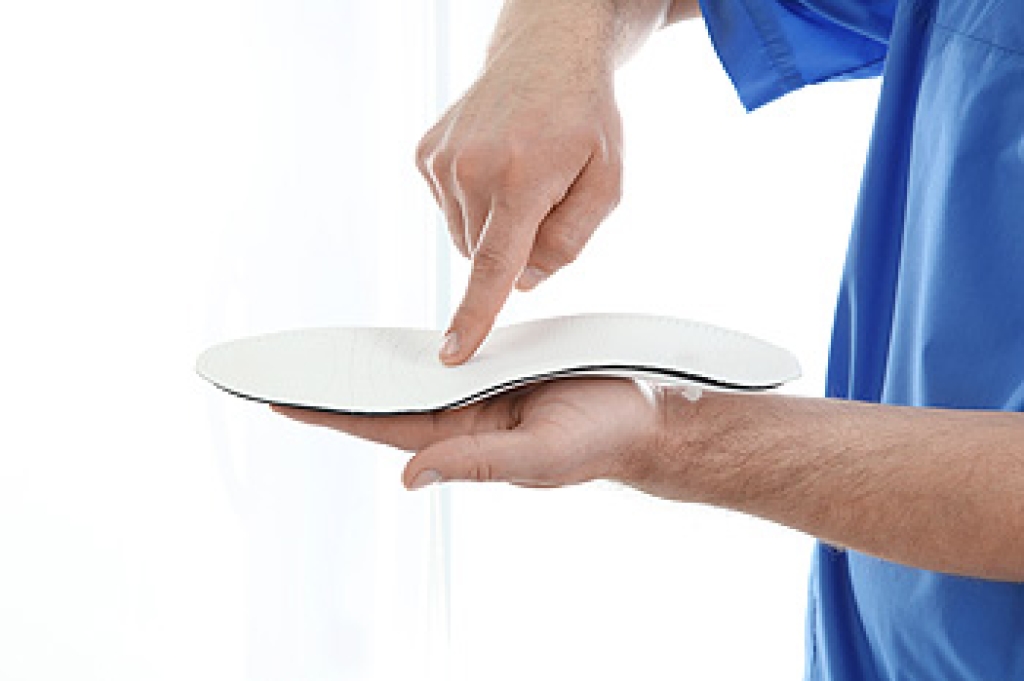
Custom orthotics for children and adults differ significantly in their approach. The primary contrast lies in the developmental potential of children's feet, which is not as present in adults. Early intervention in children is essential, as their bone growth and alignment can be positively influenced, allowing for structural and positional changes that are less achievable in adults. In the case of children, larger and more robust orthotic devices are often utilized, especially in younger children. Children typically wear shoes that can accommodate these devices comfortably, making it less challenging. These deeper and more controlling orthotics effectively manage foot issues in the presence of laxity and low muscle tone frequently found in young children. Because alignment values in children's feet continue to improve until around 6 years of age, it is important not to completely neutralize existing deformities, allowing room for natural developmental changes. Due to the soft tissue nature of children's feet and ligament laxity, orthotic correction may need to be increased, especially in the rearfoot. Regular monitoring of a child's progress is vital for adjusting orthotic prescriptions at different stages of treatment. If your child experiences foot problems, it is suggested that you make an appointment with a podiatrist to have their feet evaluated and discuss whether custom orthotics might be a help.
Custom orthotics play an important role in preventing and treating foot and ankle injuries by providing personalized support that aligns with the unique structure of each foot. These specially designed devices help correct biomechanical imbalances, reduce pressure on sensitive areas, and improve stability during movement. When the feet are properly supported, the risk of developing conditions such as plantar fasciitis, Achilles tendinitis, and ankle sprains can be significantly reduced. Custom orthotics also help relieve discomfort caused by having flat feet, high arches, or uneven leg length, which may contribute to recurring injuries or pain.
Foot and ankle injuries can develop gradually from repetitive strain or occur suddenly during physical activity. Without proper treatment, these injuries can affect mobility and overall quality of life. Orthotics work to redistribute weight evenly across the foot, allowing joints and muscles to function more efficiently. This not only supports recovery from injury but can also prevent future problems by promoting better posture and alignment throughout the lower body.
Unlike over-the-counter inserts, custom orthotics are designed based on a detailed evaluation of each patient’s foot structure, gait, and medical needs. Podiatrists use advanced imaging and diagnostic tools to create orthotics that fit precisely and provide targeted correction. Whether used in everyday footwear or athletic shoes, custom orthotics can improve comfort, enhance performance, and support long-term foot health.
If you are experiencing foot or ankle pain or have sustained an injury that has not improved with rest, it is suggested that you schedule an appointment with a podiatrist. Call our office for more information or to make an appointment.
If you have any questions, please feel free to contact our office located in Naperville, IL .
Connect With Us
